

Hurricane Screens and Florida Building Codes
September 9, 2025
Use Your Covered Patio More Often with Retractable Screens
October 6, 2025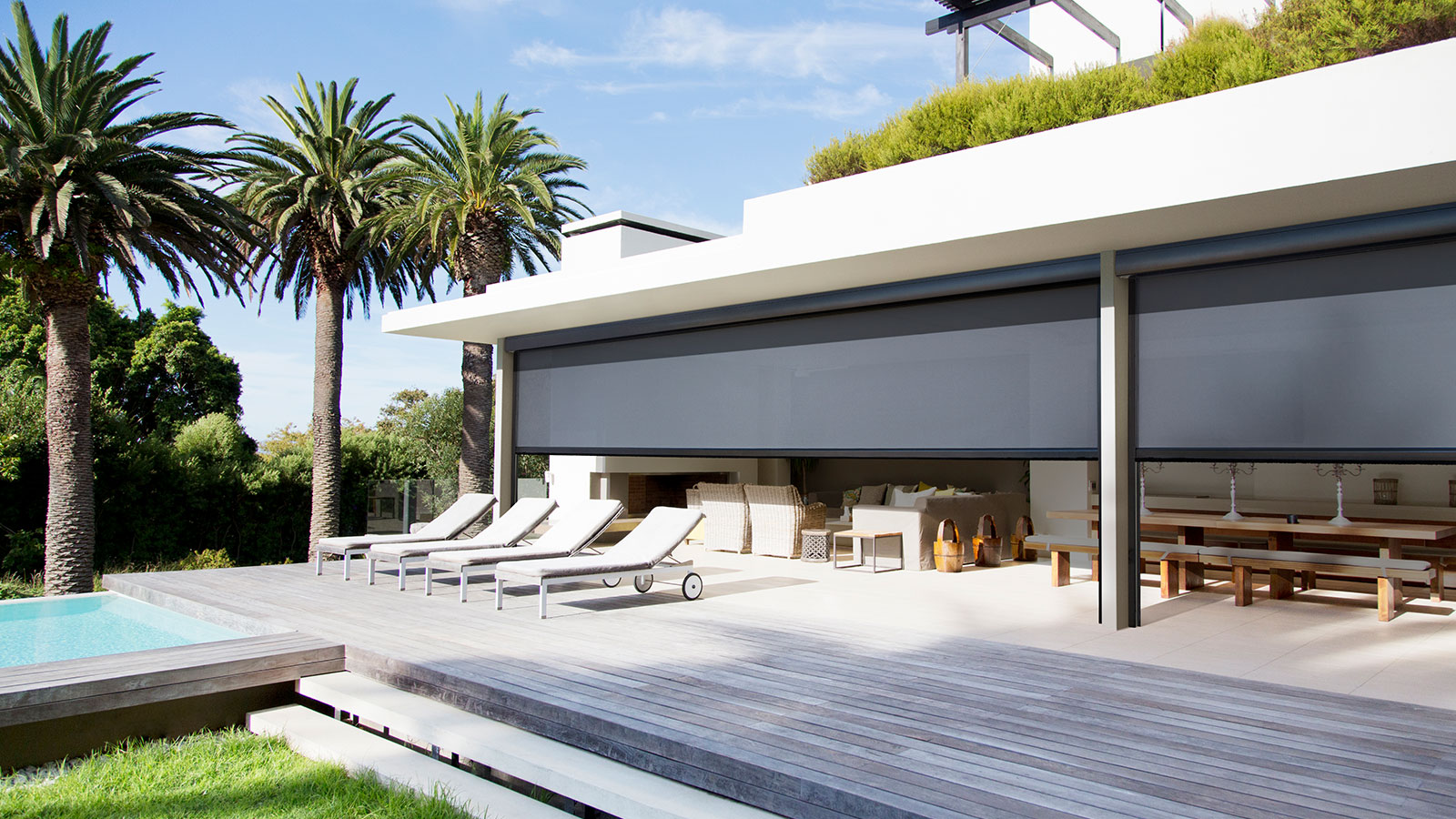
Article Summary:
Many homeowners in Southwest Florida have heard myths about hurricane screens that lead them to overlook a proven form of storm protection. This article takes on the five most common misconceptions and explains why hurricane screens are a strong, practical, and code-approved solution for Florida homes.
Are Hurricane Screens Really Strong Enough?
One of the most common myths is that hurricane screens are too weak to protect your home. Some people assume that because they are flexible and fabric-based, they cannot stand up to storm-force winds or flying debris.
That could not be further from the truth. High-quality hurricane screens are made from materials like Kevlar, which is used in body armor and aerospace applications. These screens are tested for large missile impacts and high-pressure loads. In Southwest Florida, any screen approved for use must meet or exceed the Florida Building Code. Many systems are also certified under Miami-Dade County’s strict testing standards. These are not simple mesh covers. They are engineered storm protection systems.
Do Screens Really Protect as Well as Panels or Shutters?
Some homeowners believe that metal shutters or panels are always the better option. While traditional materials have their place, hurricane screens provide an excellent level of protection when installed properly.
They are tested in the same way as shutters and panels. The difference is in how they handle that pressure. Screens flex slightly to absorb impact and relieve stress across the system. Products that use technologies like MagnaTrack help keep the fabric in place during extreme conditions. They are not just equal in protection. They often offer added advantages in design and convenience.
Is This Only for Homes Right on the Coast?
Another myth is that only beachfront properties need hurricane screens. The idea is that inland homes do not face the same risks.
In reality, Southwest Florida experiences strong winds, flying debris, and heavy rain far beyond the coastline. Storms often weaken after landfall, but not enough to remove the danger. Even if your home is 10 or 20 miles inland, large openings, glass doors, and outdoor areas are still vulnerable. Hurricane screens help protect these spaces, especially if you have a lanai, patio, or pool enclosure.
Are Hurricane Screens Hard to Use or Maintain?
Some people worry that hurricane screens are complicated or high-maintenance. That may have been true of older systems, but not anymore.
Today’s screens are motorized and easy to use. With a button press, you can deploy them before a storm or retract them when the weather clears. They stay out of sight when not in use, preserving your view and the look of your home. Because they do not rely on tracks with zippers or cables, high-end systems require very little maintenance. Compared to installing and removing metal panels every season, the time savings are hard to ignore.
Are Hurricane Screens Only for Windows?
A lot of people think hurricane screens are only meant for traditional window openings. In fact, they can protect much more.
Screens can cover wide sliding doors, outdoor kitchens, porches, lanais, and garage openings. That means you can protect your entire outdoor living space, not just the inside of your home. This makes them a good choice for homes that use these areas daily, especially during the spring and summer.
By shielding furniture, equipment, and entrances, hurricane screens help reduce storm-related damage both inside and out. This added coverage is something metal panels and standard shutters often cannot provide.
Get the Facts Before You Decide
There is a lot of information, and misinformation, out there about hurricane protection. These five myths have stopped many homeowners from choosing hurricane screens, even when they would be a perfect fit.
At Florida Screen & Shutter, we install screen systems designed to meet Florida’s building codes and provide year-round benefits. If you are not sure if this is the right solution for your home, we are here to help explain your options and guide you through what matters most.
Key Takeaways:
- Hurricane screens are made from impact-tested materials like Kevlar and meet strict building code standards
- They offer storm protection equal to shutters and panels, with added flexibility and ease of use
- Homes throughout Southwest Florida can benefit from screens, not just those on the coast
- Modern systems are motorized, low-maintenance, and discreet when not in use
- Hurricane screens protect more than just windows. They cover outdoor spaces, sliding doors, and more
If you have been unsure about hurricane screens because of something you heard, it is time to take a second look. The facts speak for themselves.